





Exploring the Colossi of Memnon and Their Mysterious Past
13 July

The Colossi of Memnon stand tall and proud in the Egyptian desert, marking the entrance to the Temple of Amenhotep III. These awe-inspiring statues have been the subject of wonder and fascination for thousands of years, drawing countless visitors to their site each year. But what do we really know about the Colossi of Memnon? In this article, we will delve into the history, myths, and legends surrounding these magnificent monuments and explore their mysterious past.
Introduction to the Colossi of Memnon
The Colossi of Memnon are two massive stone statues that depict Pharaoh Amenhotep III, who reigned over Egypt during the 18th dynasty. The statues stand at a height of over 18 meters and weigh an estimated 720 tons each. They are made of quartzite sandstone and were originally situated at the entrance of Amenhotep III's mortuary temple in Thebes, which was destroyed in an earthquake in ancient times.
The History of the Colossi of Memnon
The Colossi of Memnon were built during the 14th century BCE, during the reign of Pharaoh Amenhotep III. The temple that they guarded was one of the largest and most impressive in all of ancient Egypt, but unfortunately, it was destroyed by an earthquake in 27 BCE. The temple was eventually rebuilt by the Roman Emperor Septimius Severus, but it did not survive for long. Today, only the Colossi of Memnon remain as a testament to the grandeur of Amenhotep III's reign.
The Myths and Legends Surrounding the Colossi of Memnon
The Colossi of Memnon have been the subject of many myths and legends throughout history. According to Greek mythology, the Colossi were once two brothers who fought against each other in the Trojan War. After the war, they were turned to stone and placed at the entrance of Amenhotep III's temple. It was said that the statues would sing at dawn, a phenomenon that was attributed to the spirits of the dead warriors.
The Construction of the Colossi of Memnon
The Colossi of Memnon were constructed from large blocks of quartzite sandstone that were quarried from a nearby quarry. The blocks were then transported to the site of the temple using sledges and rollers. Once at the site, the blocks were shaped and carved into the likeness of Pharaoh Amenhotep III. The statues were then positioned at the entrance of the temple, where they would stand for thousands of years to come.
The Purpose of the Colossi of Memnon
The Colossi of Memnon served as the guardians of Amenhotep III's temple, which was a place of worship and a testament to the pharaoh's power and wealth. The statues were meant to intimidate visitors and demonstrate the might of the pharaoh, who was considered a god by his people. The Colossi were also believed to have a spiritual significance, as they were thought to protect the pharaoh's spirit and ensure his safe passage into the afterlife.
Check out our most popular Egypt packages from Here!

The Restoration and Preservation of the Colossi of Memnon
Over the centuries, the Colossi of Memnon have suffered damage from natural disasters, looting, and neglect. In the 19th century, a restoration project was initiated by the French government, which aimed to repair the damage and preserve the statues for future generations. Today, the Colossi are a protected site, and visitors are not allowed to climb on or touch the statues.
The Significance of the Colossi of Memnon in Modern Times
The Colossi of Memnon continue to be a source of fascination and wonder for people all over the world. They are a testament to the incredible achievements of ancient Egyptian civilization and serve as a reminder of the power and influence of Pharaoh Amenhotep III. The Colossi also attract thousands of visitors each year, who come to marvel at their size and beauty and to learn more about their history and significance.
Visiting the Colossi of Memnon
Visiting the Colossi of Memnon is a once-in-a-lifetime experience that should not be missed. The site is located on the west bank of the Nile River, near the city of Luxor. Visitors can take a guided tour of the site, which includes a visit to the temple of Amenhotep III and a chance to see the Colossi up close. It is recommended to visit the site early in the morning, when the sun is rising and the temperature is cooler.
Interesting Facts about the Colossi of Memnon
• The Colossi of Memnon are the largest stone statues in Egypt after the Great Sphinx of Giza.
• The statues were once covered in gold leaf, which has since been removed.
• The Colossi have been referenced in literature and art throughout history, including in the works of Percy Bysshe Shelley and Gustave Flaubert.
• The phenomenon of the "singing statues" was likely caused by changes in temperature and humidity, which caused the stone to vibrate and produce sounds.
Discover our best packages for beautiful Egypt from here!
related tours
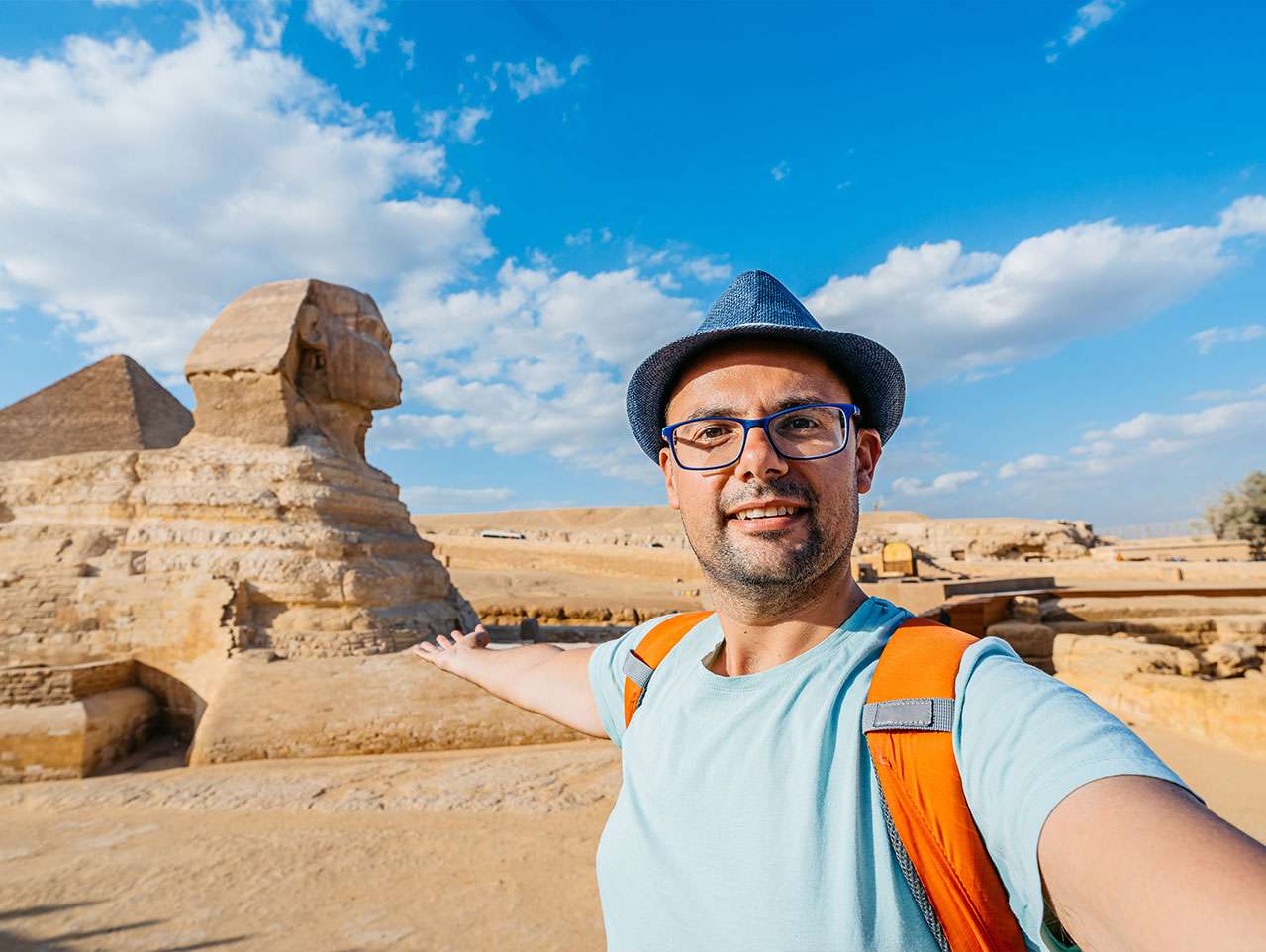
Egypt Tour : Giza Pyramids & Nile Cruise
8 Days / 7 Nights
From
$ 1099

Treasures of Egypt Travel Packages
7 Days / 6 Nights
From
$ 1280
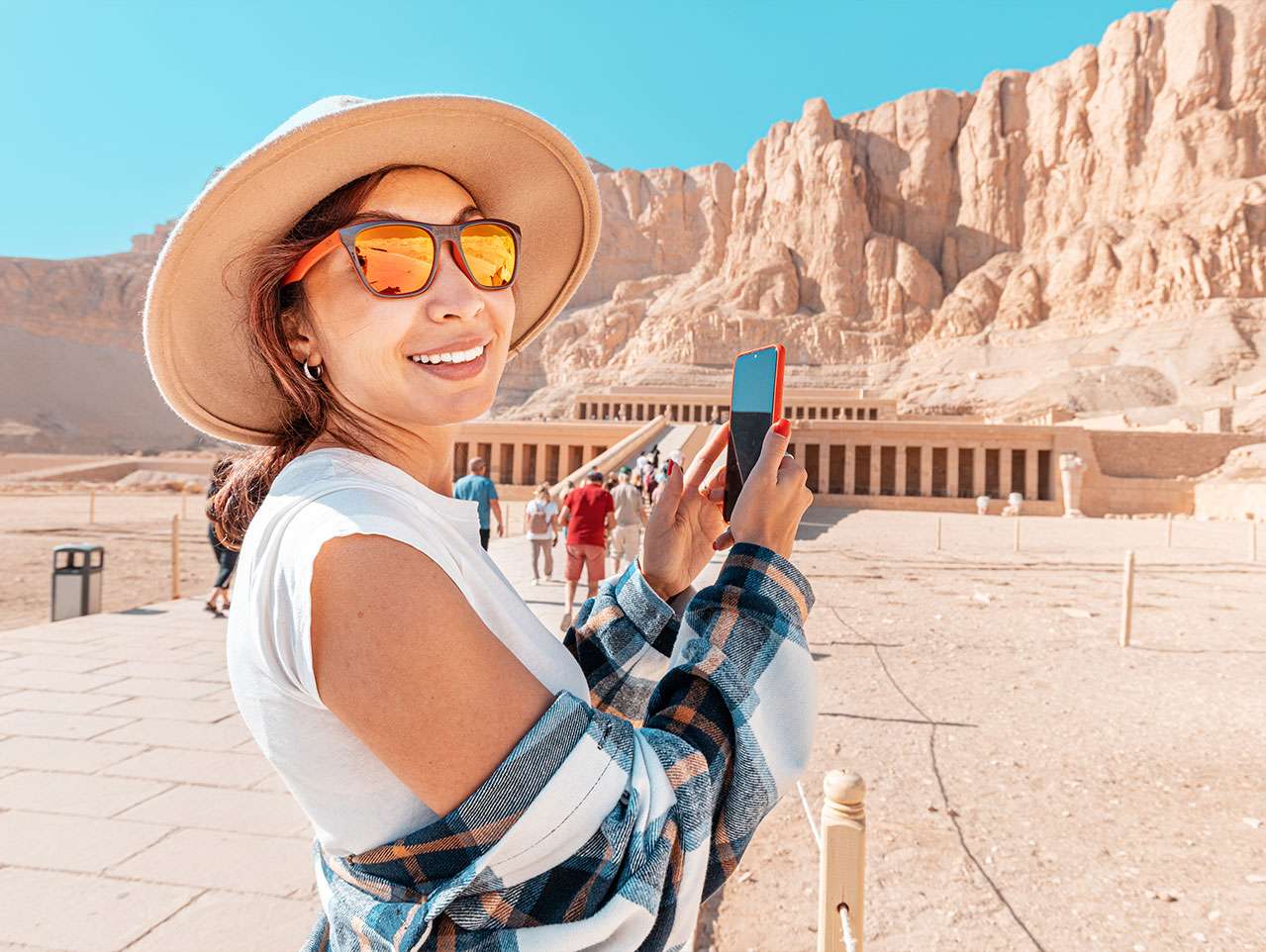
Luxury Egypt Tour
10 Days / 9 Days
From
$ 2609
Marvelous Egypt Package
12 Days / 11 nights
From
$ 2175


