





Everything You Need to Know about Japan & Cherry Blossom
31 October

If old manuscripts, scrolls, or any archeological finding later reveal that the real meaning of "Japan" -- is " culture" -- no one will object. The Japanese are lovers of plants. From plants that serve as herbs to aesthetically pleasing types, the Japanese can't get enough of them. Speaking of plants, the highly revered cherry blossom festival is a cultural event that the Japanese look forward to yearly. Like many across the world, you may want to visit Japan at the peak of the cherry blossom. Here are a few things to know about the cherry blossom and Japan itself.
The Story of Cherry Blossom
Cherry Blossoms are the pride of the spring in Japan. It symbolizes a renewed start. The flowers bloom in numbers for a couple of weeks before falling off. Usually, the rise and fall of cherry flowers are in a few weeks. However, the experience lasts a lifetime for visitors. The Japanese find the period interesting and worth relishing. People would bring meals and drinks to eat with family and friends under cherry trees during the day. At nighttime, the street lights and colorful artificial lights create a lovely atmosphere. yozakura, as the cherry blossom season is known at night, is an opportunity for romantic moments.
Cherry Flowers is Enchanting
The Cherry Blossom festival may have lots of meaning to the Japanese. However, the apparent captivating part of the festival is the beauty of the flowers. The colorful blend of the flowers across different blocks and parks often makes the experience lovely. To top it off, the natives sometimes have dance performances to entertain alongside an assortment of local meals. It promises to be fun if you participate in any way you can. Participation could be purchasing local art on display or souvenirs of cultural heritage.
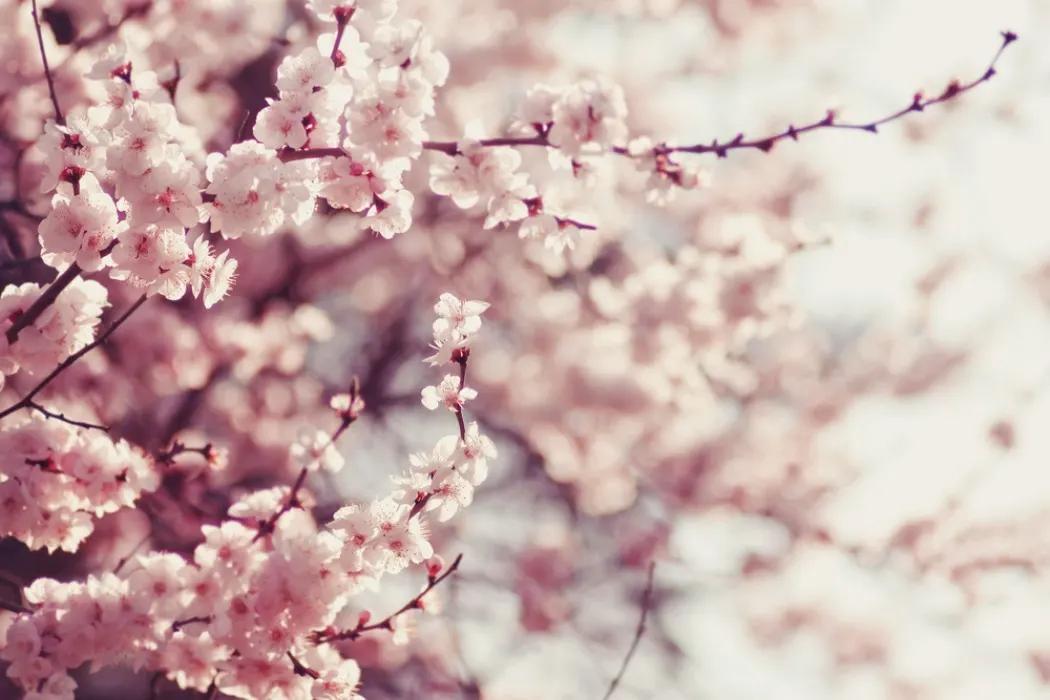
Cherry Blossom Has its own Word; Hanami
Sakura, commonly known as Cherry Blossom, has a word dedicated to it -- Hanami. Hanami, which translates to flower viewing, is a period for viewing cherry trees as it blooms. During this period, the Japanese spend more time outside to pause and take their time to enjoy nature. Many sit beneath Cherry trees all-day long till nighttime.
Hanami dates back to about 800 years ago when the Japanese associated the bloom of the cherry tree with spirits and therefore gave offerings. Hanami became so cherished that cherry plantation became a thing in the 18th century. In Japan, at that time, several individuals planted Cherry trees to keep the festival alive. Hence, today, several places have cherry trees in Japan. So when the trees bloom, the sight is always magical in Japan. It encourages as many as possible to take part -- not only natives but visitors too.
There's a 2000-Year-old Tree Still Blooming
In the city of Hokuto is a 2000-year-old cherry tree. The tree keeps blooming even after two millennia. According to scientists, the tree may have been since the days of ancient Roman Emperors. Even after two thousand years, the Jindai Zakura still blooms to date.
Not all Cherry Trees Are The Same
Cherry trees may look the same at first glance; however, they are different. Sakura has hundreds of species. Some are natural, and some are hybrid. The hybrid cherry trees are often the result of manmade intentional and unintentional activities.
Beyond the Cherry Blossom Festival
Japan has tons of exciting activities to offer. The cherry blossom festival is only one of the many events you'll enjoy as a visitor to Japan. Cities in Japan have a lot to offer in terms of tourism. Tokyo, for example, has a lot to offer in terms of fashion, places of interest, arts, iconic monuments, and gardens.
Here are top things to enjoy in Japan :
Visit Mount Fuji
Hiking Mount Fuji may be one of the best activities to enjoy in Japan. It's the tallest mountain in Japan at 3,776 meters. In July through September, people visit Fuji to climb through its four routes. Each route takes hours to ascend and descend.
Take Japanese Tea
Like many Asian countries, Japan is also famous for its tea. Green tea is the most common type in the country. Tea shops are available in good numbers across the country. There are even tea ceremonies open to anyone interested. If you love tea, make the most of your time in Japan by visiting tea rooms or tatami floors.
Karaoke
Karaoke, fully known as Kara-okesutora, means empty orchestra. It's an exciting activity in Japan that is also common throughout the world. This Japanese invented activity allows you to sing along with an instrumental sound. You can sing your heart out with friends and family in any Karaoke spot.
Visit Osaka
Whatever you do in Japan, don't forget to visit Osaka. Osaka is home to delicious Japanese cuisines. Explore the corners of the Kuromon market to sightsee or procure interesting items of art or fashion. The Osaka castle is another top landmark with ancient buildings and tales.
Japanese Culture and Practices to Keep in Mind
It would help if you learned a couple of Japanese practices and systems to get by within your visit period. Some are:
Don't Litter the Floor
Endeavor to dispose of waste in trash cans positioned at specific points. Japan is neat, so it's best not to be the odd one out by defacing the environment. When you can't find a trash can, hold on to your rubbish till you get one. Additionally, at the point of disposal, you may have to pause a moment to choose which waste bin to use; the combustible or recyclable.
Eating and Visitors Etiquette
The Japanese incorporate etiquette and respect into their everyday lives. There are some eating rules ( more like manners) for you at the table. One is to avoid pointing with your chopsticks or stabbing food with them. Don't rest on the table, and remember to refill not just your cup but that of everyone when out for drinks.
As for visitors etiquette, the fundamental rule is never to enter the house with shoes on. Learn to take off your shoes at the door. Some restaurants and dressing rooms make it mandatory for visitors to remove their shoes at the door. Know it's nothing out of the ordinary and do well to comply. If you do so, you'd be respecting the culture of the locals.
You Don't Need to Give Tips
In some places in Europe, a tip is almost a must. However, the story is not the same in Japan. There are chances your tip will be returned to you as it may be termed overpayment or error—Japanese pride themselves in good service and hard work. Hence, a tip may not be seen in a good light. Some may feel disrespected if you insist on giving tips after a service. Unless it's a hotel manager in a small lodge( you can give enveloped tips), a simple thank you for your service is enough.
Take Trains
The train network system is top-notch and highly effective in Japan. You can get around smoothly in Japan by train. Beyond easy accessibility, you can experience bullet trains. These high-tech trains can cover hundreds of miles in minutes. The trains are best for intercity travels, often running at 320 km/h.
Safety
Japan is relatively safe. The crime rate is low in China, and less firearms are in circulation. If you forget your valuables somewhere, there are high chances of you finding them. Some have misplaced their devices and found where they left them -- Japan is that Safe!
So, from the cherry blossoms to fascinating places, alongside a wonderful culture, Japan is a great place to visit.
Let's Plan Your Trip to Japan Here!
related tours
Tokyo to Narita Japan Tour
9 Days / 8 Nights
From
$ 4209
Let's Go Japan!
9 Days / 8 Nights
From
$ 3610


